
The protection gap
Hub disinfection and disinfection caps focus on the access surface, not the wider connections and tubing that may be exposed to body fluids or the care environment.
FREE PRACTICAL GUIDE FOR BEDSIDE NURSES
A diaper blowout, emesis on a hard night, a manifold resting in the bedding. Gross contamination at the connection rarely means a quick wipe and carry on. This guide covers the protection gap and how to close it.
WHAT'S INSIDE
Hub disinfection and disinfection caps focus on the access surface, not the wider connections and tubing that may be exposed to body fluids or the care environment.
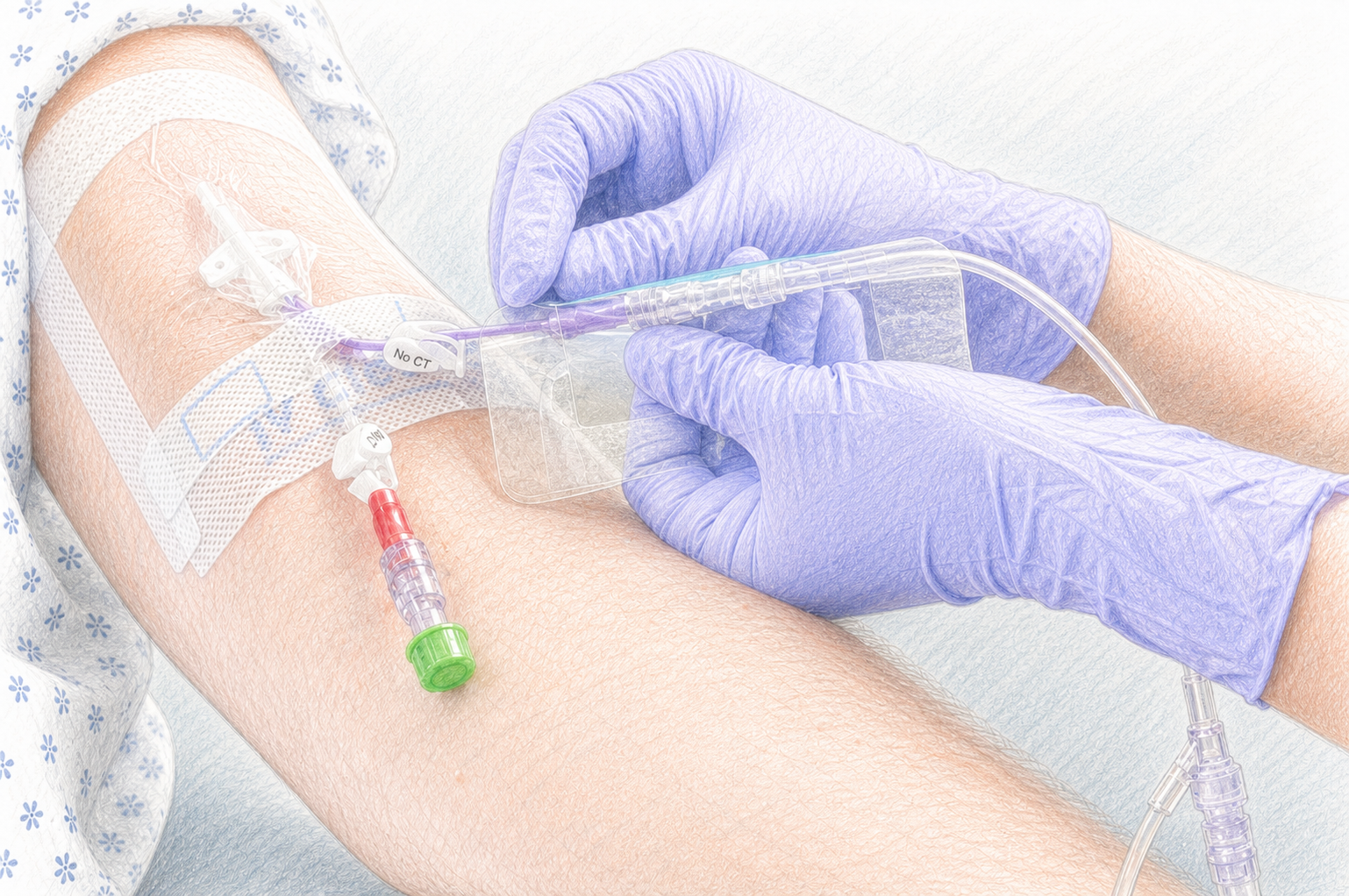
Think of VALGuard as an outer shield. Your access practice does not change, disinfect the hub and access aseptically according to your facility's protocol. When access is needed, the quick-release.
Transparent for continued monitoring, with a quick-release strip for prompt access without scissors. VALGuard is single-use and replaced when soiled.
THE MOMENTS YOU ALREADY KNOW
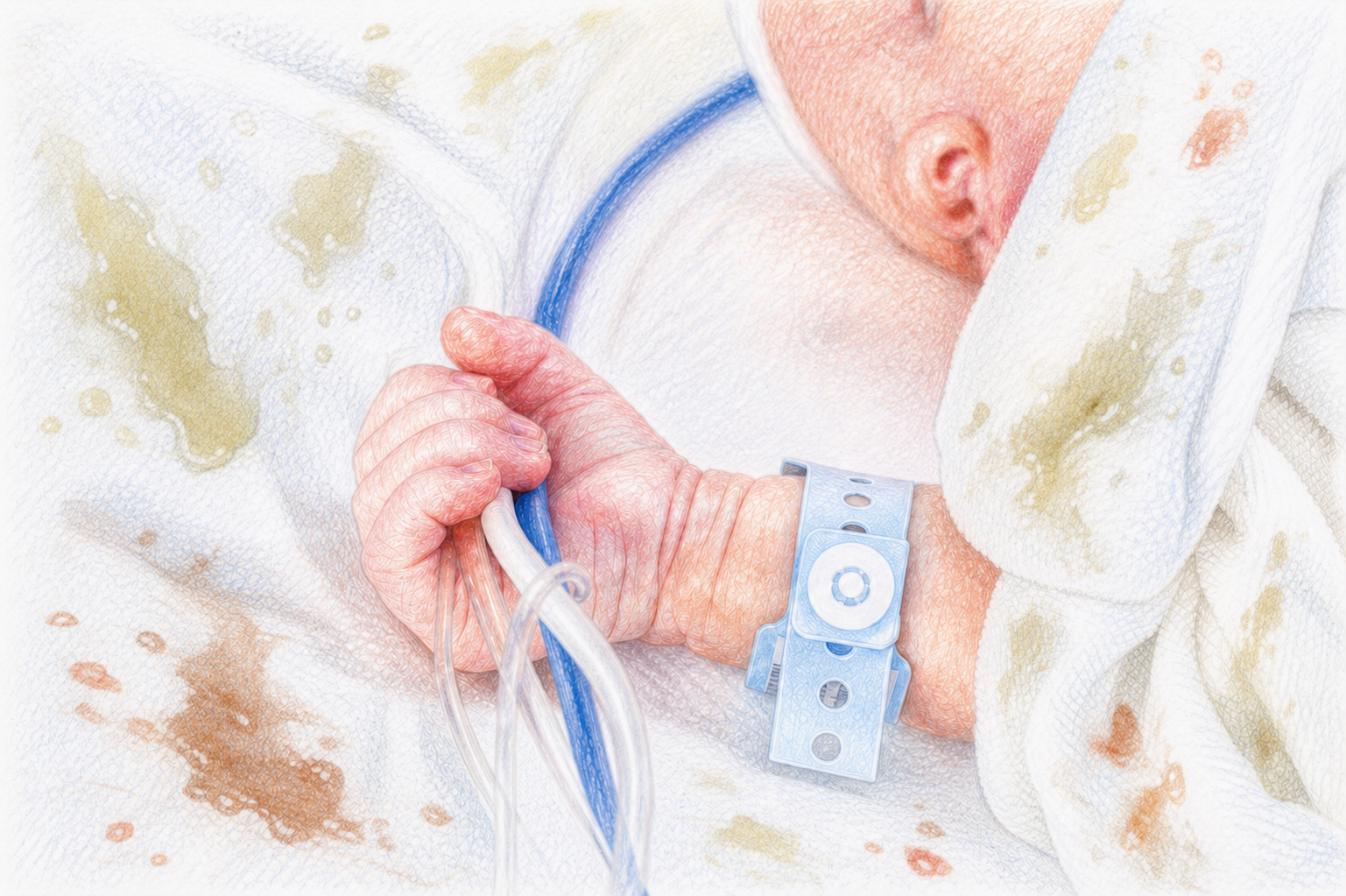
A diaper blowout that reaches the catheter. Emesis during a hard night. Secretions around a trach. A stopcock manifold resting in the bedding. The patient who cannot help moving, or who soils themselves before anyone can get there.
These are everyday realities of bedside care in critical care, oncology, and other units caring for patients with vascular access devices.
PUBLISHED IMPLEMENTATION EXPERIENCE
The following results were reported in single-center studies in which VALGuard was incorporated as one element of broader prevention programs. These studies do not establish independent causality.
78%
CLABSIs decreased from 2023 to 2024 in a single-center pediatric pre-post study after VALGuard was incorporated into the existing prevention bundle.2
Study context: Association only; the result could not be attributed exclusively to VALGuard.
2.0 → 0.91
A Level IV NICU reported this change after a phased, multifactorial program that included VALGuard alongside revised cap and tubing practices, education, and auditing.3
Study context: Multifactorial quality-improvement result; it does not isolate the effect of VALGuard.
Disclaimer: VALGuard® Vascular Access Line Guard is indicated to cover and protect IV line connections and catheter hubs from sources of gross contamination. VALGuard® has not been cleared or approved by the U.S. Food and Drug Administration (FDA) for infection prevention or CLABSI reduction, and its safety and effectiveness for those purposes have not been established. A copy of the IFU will be provided upon request.
HOW IT LOOKS IN PRACTICE
Images are illustrative; follow the IFU and your facility's policy.
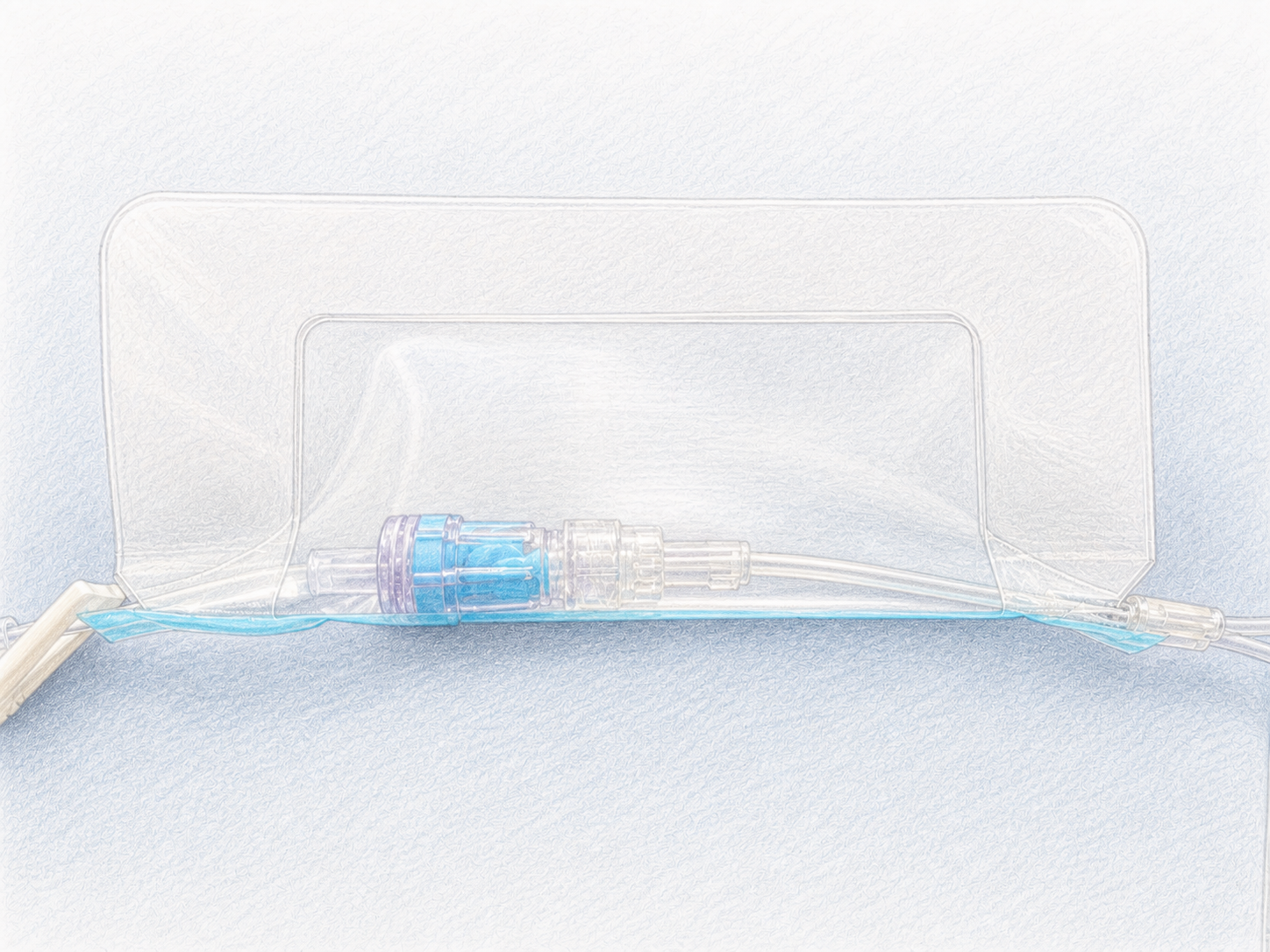
It covers the hub and wider connection zone while keeping the connection visible for routine checks.
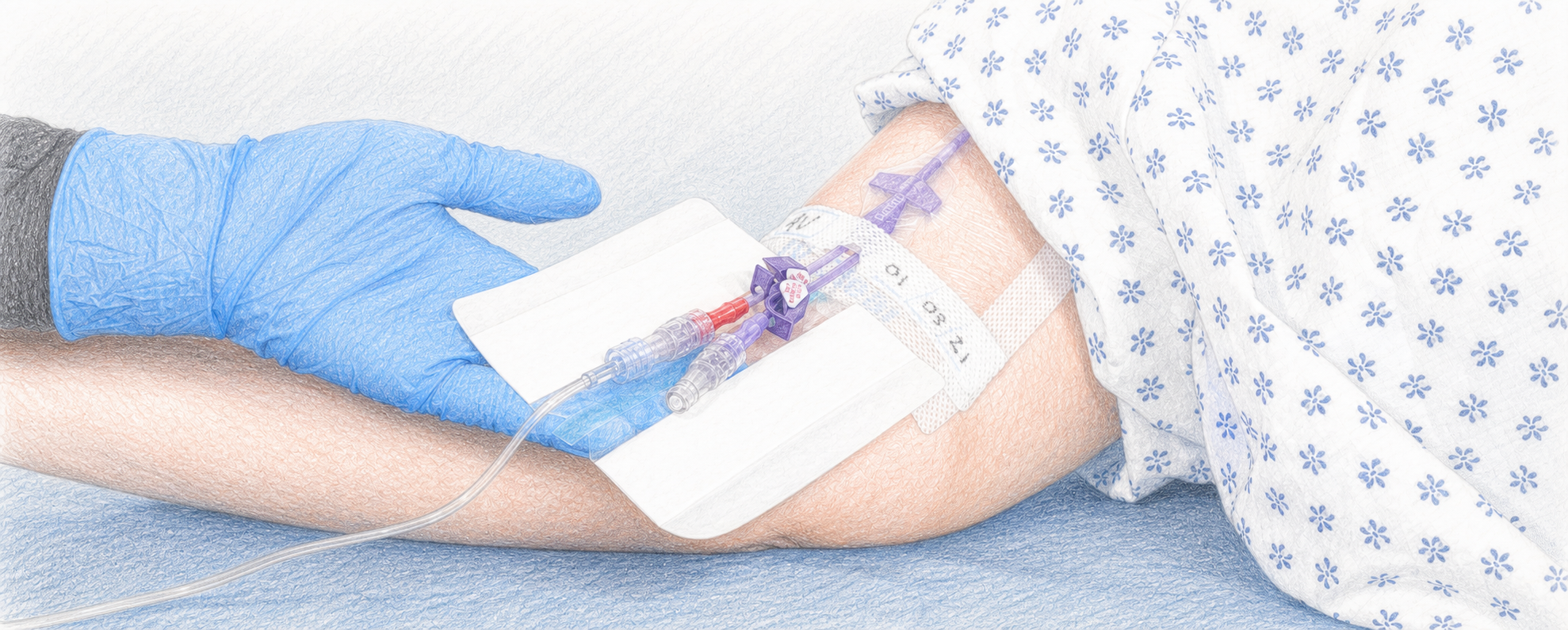
Placed after access and removed with the pull-tab release when the line is needed again.
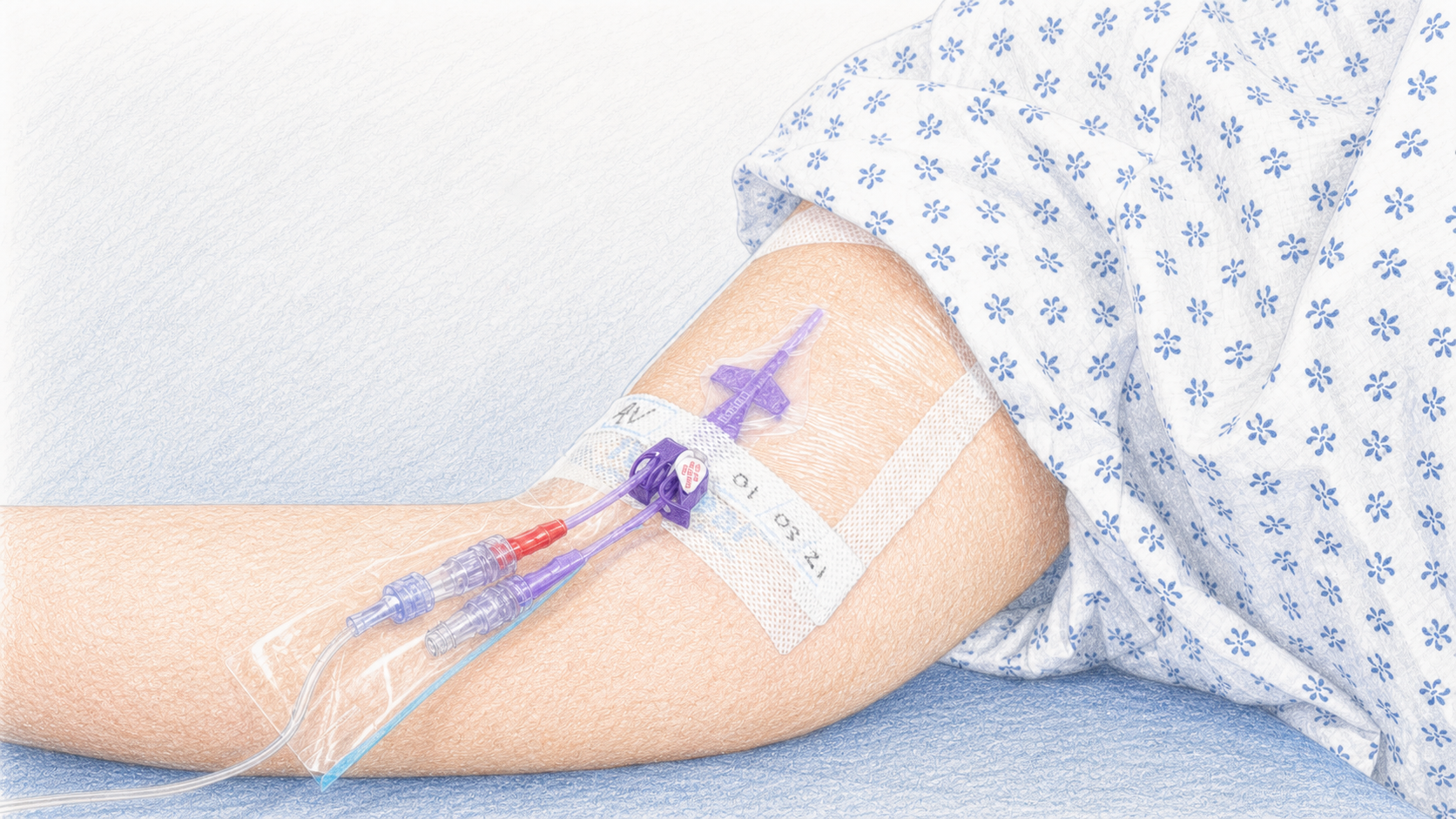
The guide includes a candidate-situation checklist for lower-extremity lines, connections near bedding, and diapered or incontinent patients.
Share the guide with your vascular access, infection prevention, or unit education team.
VALGuard® Vascular Access Line Guard is indicated to cover and protect IV line connections and catheter hubs from sources of gross contamination. A copy of the IFU will be provided upon request.